

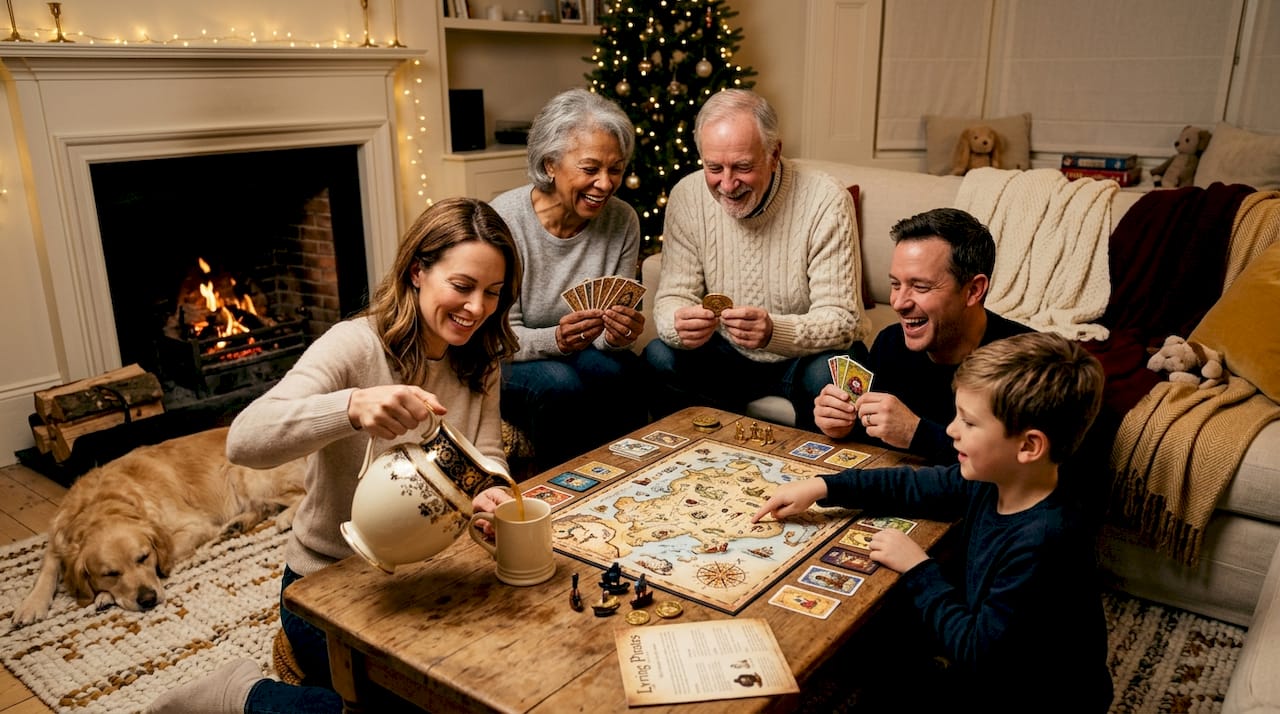
The holidays are the one time of year when three generations end up around the same table, and nobody wants to spend that time staring at their phone. Picking the right game can turn a quiet evening into a memory people talk about for years. But when you try to pick holiday family board game options that work for a six-year-old, a teenager, and grandma all at once, the choices can feel overwhelming. This guide cuts through the noise and gives you a clear, practical framework for finding games that create real laughter, real connection, and a game night worth repeating.
Table of Contents
- Key Takeaways
- How to pick a holiday family board game that fits your group
- Top game picks for your holiday game night
- Planning your holiday game night session
- Common mistakes when choosing and playing holiday games
- My honest take on holiday game nights
- Why Lying Pirates belongs on your holiday game table
- FAQ
Key Takeaways
| Point | Details |
|---|---|
| Match the game to your group | Consider player count, age range, and skill mix before buying or pulling a game off the shelf. |
| Keep sessions to 2-3 hours | Planning 3-4 games per session keeps energy high and prevents burnout. |
| Cooperative beats competitive for mixed ages | Games where everyone works together reduce friction and keep reluctant players engaged. |
| Simple rules win every time | Short rulebooks and quick learning curves mean more playing and less explaining. |
| Compact games offer flexibility | Card-based games work well in tight spaces and allow fast transitions between rounds. |
How to pick a holiday family board game that fits your group
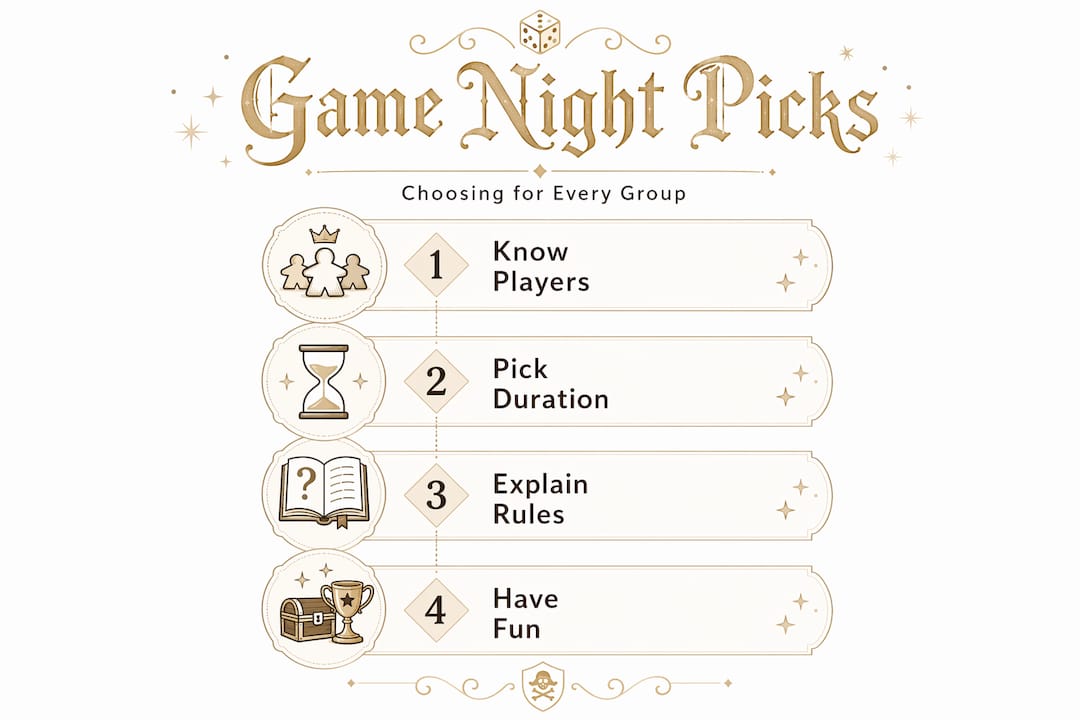
Before you order anything or dig through the closet, you need to think about your specific group. The best family board games for one household may completely miss the mark for another. Four factors matter most here.
Player count and inclusivity. Most holiday gatherings run anywhere from four to ten people. Games that cap out at four players create an awkward situation where half the room watches. Look for games that accommodate your full headcount, or plan two simultaneous games at different tables for larger groups.
Game length. A 90-minute game sounds manageable until someone’s toddler melts down at the 45-minute mark. For holiday gatherings, shorter games in the 20 to 45-minute range give you the flexibility to play multiple rounds or switch titles entirely. Accessible games for varied ages consistently reduce frustration and keep everyone at the table longer.
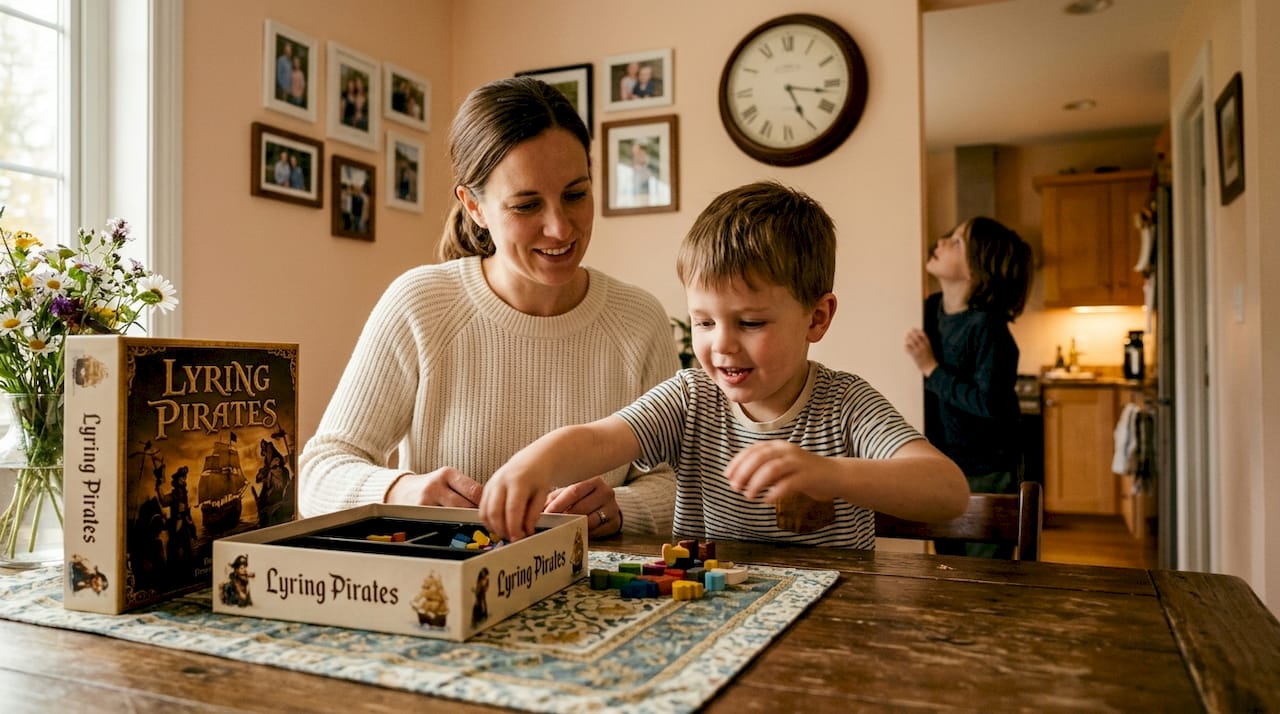
Cooperative vs. competitive gameplay. Competitive games are fun, but they can also surface family tension fast. Cooperative games, where everyone works toward a shared goal, naturally flatten the skill gap between a ten-year-old and an adult. They also give shy or less experienced players a role without putting them in the spotlight. Cooperative gameplay styles improve inclusivity across age groups, which is exactly what you need during the holidays.
Space and portability. Holiday gatherings rarely happen at a cleared-off dining table. You might be playing on a coffee table, a folding table in the living room, or even the floor. Games with a small footprint and minimal components are your best friends here.
- Look for games with a player count that matches your guest list
- Choose titles with a 20 to 45-minute playtime for flexibility
- Lean toward cooperative games when your group spans multiple generations
- Prioritize games with simple rules that can be explained in under five minutes
- Pick compact, portable formats for tight or unconventional spaces
Pro Tip: Read the rulebook yourself before game night. If you can explain the core rules in two minutes, the game passes the holiday test. If you need to re-read sections mid-game, save it for a smaller, more patient group.
Top game picks for your holiday game night
Once you know your group’s profile, the actual game selection gets much easier. Here are some strong options across different styles, along with honest notes on why each one works for holiday family-friendly activities.
Monopoly Deal is a card-based version of the classic property game, playable in about 15 minutes with 2 to 5 players, ages 8 and up. It fits in your pocket, requires almost no table space, and the rounds move fast enough that losing doesn’t sting for long. It’s a perfect opener or filler game between longer titles.
Kanoodle Head-to-Head is a two-player puzzle game for ages 7 and up that puts players head-to-head in a spatial reasoning challenge. With over 9 million units sold, it has proven staying power. It works especially well as a side game running simultaneously while others play something else, keeping everyone occupied.
Cooperative adventure games in the 45 to 60-minute range are the sweet spot for mixed-age groups. Games where players work as a team to solve a mystery or complete a mission give younger players meaningful contributions without making them feel outclassed. Inclusive, fast-paced games maintain involvement across age and skill levels, which is especially important when teens are in the mix.
Bluffing and social deduction games are where holiday gatherings really come alive. These games tap into the natural humor of families who already know each other’s tells. When the bluff is the spine of the game, every round generates a story. Lying Pirates from Nordicpirates fits squarely in this category, combining a racing mechanic with bluffing in a pirate-themed package that works for ages 8 and up.
Classic word and trivia games still hold up for multigenerational groups because the knowledge gap between ages actually becomes part of the fun. Younger players often surprise adults with pop culture knowledge, and older players dominate history rounds. That natural back-and-forth keeps things lively.
Planning your holiday game night session
Knowing what board games are popular this season is only half the job. How you structure the evening matters just as much as which games you choose. A poorly organized game night drains energy fast, even with great games on the table.
- Set a two to three-hour window. Planning 3 to 4 games for a 2-3 hour session keeps the pace lively without exhausting anyone. Build in a natural break at the halfway point for snacks and a reset.
- Start with a quick icebreaker game. A fast, low-stakes game in the first 15 minutes warms everyone up and gets people laughing before the main event. This is especially useful when the group includes people who don’t know each other well.
- Theme the space lightly. You don’t need to go overboard, but music, lighting, and snacks aligned to your games make the environment feel intentional. A playlist and some themed snacks signal that this is an event, not just something to do.
- Plan for different skill levels. Keep one or two backup games on hand that are simpler or shorter than your main pick. If the featured game isn’t clicking with the group, you want an easy pivot.
- Add small prizes or incentives. Budgeting around $15 to $30 on small prizes or gift cards increases motivation and keeps competitive spirits friendly rather than tense.
Pro Tip: Assign one person as the “game master” for the evening. Their job is to explain rules, manage transitions, and read the room. This single role prevents the most common game night killers: confusion, downtime, and the dreaded rules argument.
Common mistakes when choosing and playing holiday games
Even well-intentioned game nights go sideways. Knowing the pitfalls ahead of time lets you sidestep them entirely.
- Choosing games that are too complex. A game with a 20-page rulebook is not a holiday game. It’s a commitment. Mixed-age groups lose patience fast when setup takes longer than the first round.
- Letting one player dominate. In competitive games, a skilled player can run away with the lead early and deflate everyone else’s enthusiasm. Watch for this and be ready to introduce a handicap or switch to a cooperative format.
- Ignoring the energy curve. Groups get tired. What works at 7 p.m. may not land at 10 p.m. Plan your most engaging or active game for the middle of the session, not the end.
- Forgetting about the youngest and oldest players. It’s easy to default to games that suit the majority. Make sure at least one game in your rotation genuinely works for the youngest and oldest person in the room.
“Families often struggle with losing gracefully; cooperative games reduce competitiveness friction and encourage collective fun.” — BoardGameQuest
When a game clearly isn’t working, don’t push through it out of obligation. Call a five-minute break, take a vote, and pivot to something else. Nobody remembers the game that got abandoned. They remember the one that made everyone laugh.
My honest take on holiday game nights
I’ve seen game nights go beautifully and I’ve seen them collapse in the first 20 minutes. The difference almost never comes down to the game itself. It comes down to whether the person organizing the night actually thought about the people in the room before picking up the box.
What I’ve learned is that the best holiday game nights aren’t built around the most popular or highest-rated title. They’re built around the group. A bluffing game with the right crowd is electric. The same game with a group of people who don’t know each other yet can feel awkward and slow.
My honest advice: don’t try to introduce three new games in one night. The best game nights mix familiar games with a few new titles, keeping rule explanations minimal. One new game per session is plenty. Let the familiar games carry the energy while the new one gets its moment.
I’ve also found that the games people remember most aren’t always the ones with the best mechanics. They’re the ones where something unexpected happened. Someone bluffed at exactly the wrong moment. A seven-year-old beat every adult at the table. Those moments come from games that create genuine interaction, not passive play. That’s the real standard for picking a holiday family board game that people will ask to play again next year.
— Nordic
Why Lying Pirates belongs on your holiday game table
If you’re looking for a game that checks every box for holiday family-friendly activities, Lying Pirates from Nordicpirates is worth a close look. It combines bluffing mechanics with a racing format, so every round has both strategy and suspense. Players manage their crew dice and call bluffs as they race their ships across the board, and the tension builds naturally without requiring any complex setup.

The base game supports groups of 2 to 6 players, ages 8 and up, with rounds that run 45 to 60 minutes. For larger families or longer sessions, the BIG BOX edition adds expansions that extend the adventure without adding complexity. With over 16,000 copies sold and a 7.2 rating on BoardGameGeek, it has earned its reputation as a standout for social gamers. Browse the full games collection to find the right edition for your holiday gathering.
FAQ
How do I pick the right holiday board game for mixed ages?
Look for games with simple rules, cooperative mechanics, and a playtime under 60 minutes. Accessible games for varied groups reduce frustration and keep everyone at the table.
How long should a holiday game night last?
A 2 to 3-hour session with 3 to 4 games planned is the sweet spot for keeping energy and enjoyment high without exhausting your guests.
What are the best family board games for small spaces?
Compact card games like Monopoly Deal are ideal for holiday gatherings with limited table space. They’re portable and easy to set up in almost any environment.
Are cooperative games better than competitive games for families?
Cooperative games work better for mixed-age groups because they reduce the skill gap and keep everyone invested in the outcome. They also tend to produce less tension at the table.
What makes Lying Pirates a good holiday game choice?
Lying Pirates blends bluffing and racing in a pirate theme that works for ages 8 and up. The social deduction element creates natural laughs and memorable moments, which is exactly what you want from fun board games for winter gatherings.
Share:
What Is a Thematic Board Game? Your Clear Guide
Best Pirate Themed Board Games for Every Crew